
· Bird Garage Door
Garage Door Maintenance Checklist for Florida Homes
Florida heat, humidity and salt air wear out garage doors faster. A simple 20-minute checklist you can do twice a year, plus what to leave to a pro.
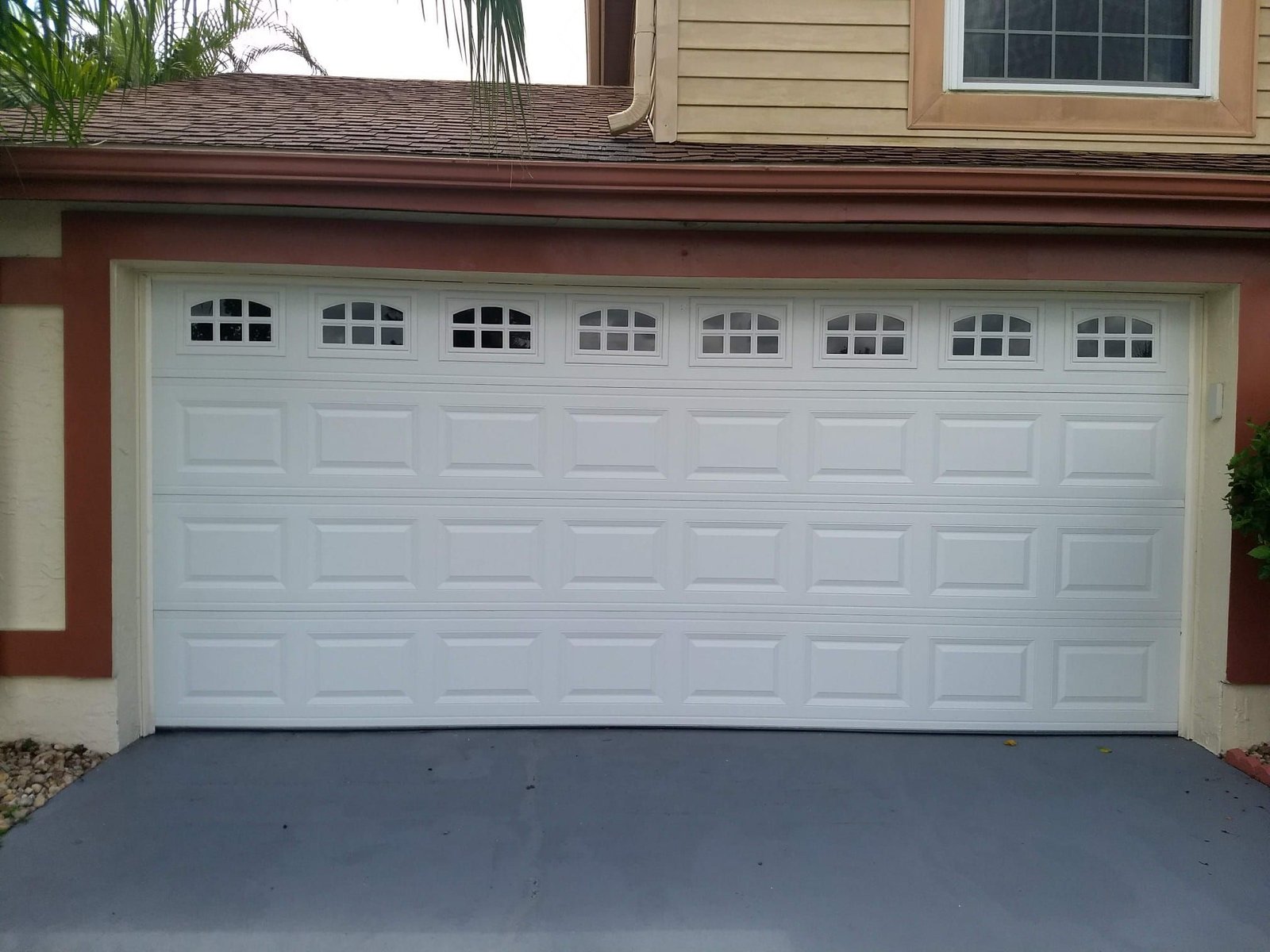
Your garage door is the largest moving part of your house, and in Florida it works in tough conditions: heat that dries out lubricant and weatherstripping, humidity that rusts hardware, sand that grinds in the tracks and, near the coast, salt that eats metal. A little attention twice a year prevents most breakdowns.
Here’s a checklist you can do in about 20 minutes. We suggest doing it in spring, before the summer storms, and again in the fall.
1. Look and listen
Open and close the door a few times and pay attention.
- Does it move smoothly, or does it jerk, shake or stop?
- Do you hear grinding, scraping or squealing?
- Do both sides rise at the same rate?
Noise and jerky motion usually mean dry rollers, worn hinges or a door that’s out of balance.
2. Test the balance
Close the door, pull the red emergency release cord so the door is disconnected from the opener, and lift it by hand to about halfway. A well-balanced door stays put. If it slams down or shoots up, the springs need adjusting. Don’t adjust springs yourself; call a technician. Reconnect the opener afterward.
3. Test the safety reverse
Put a roll of paper towels on the floor in the door’s path and close the door with the opener. It should touch the roll and reverse. Then wave a broom across the path of the photo-eye sensors while the door is closing; it should reverse immediately. If either test fails, stop using the opener until it’s fixed. This is the feature that keeps the door from crushing a child, pet or car.
4. Clean the sensors and tracks
- Wipe the lenses of the two photo-eye sensors near the floor with a soft cloth. Spiderwebs and dust cause a lot of “door won’t close” calls.
- Wipe sand, leaves and dirt out of the vertical tracks. Don’t grease the tracks; grease collects grit.
5. Lubricate the moving parts
Use a garage door lubricant (silicone or lithium spray, not WD-40 alone) on:
- Hinges
- Roller bearings (not nylon roller wheels)
- Torsion springs, with a light coat
- The opener’s chain or screw, per the manufacturer’s manual (belt drives don’t need it)
6. Check the hardware
Doors vibrate every time they move, and bolts loosen. Snug up the bolts on hinges and track brackets with a socket wrench. Leave the bottom brackets alone: they hold the cables under spring tension.
7. Inspect cables and springs (look, don’t touch)
Look at the lift cables on each side of the door for frayed strands, and at the springs for rust or gaps. Rust is the big Florida issue, especially within a few miles of the coast. If you see frayed cables or a broken spring, call a professional.
8. Check the bottom seal and weatherstripping
The rubber seal on the bottom of the door keeps out rain, bugs and lizards. In Florida sun it cracks and flattens. If you can see daylight under the closed door, it’s time to replace it.
9. Rinse if you live near the coast
In Cocoa Beach, Melbourne, Palm Bay or near Tampa Bay, rinse the door, tracks and visible hardware with fresh water every few weeks to wash off salt.
When to call a pro
Call us if the door is out of balance, the safety reverse fails, a cable is frayed, a spring has a gap, or the door makes a new loud noise. Our maintenance plans include all of the above plus spring tension adjustment, sensor alignment and a written report:
- Basic, $99/year: one visit, plus 10% off repairs.
- Premium, $149/year: two visits (spring and fall), priority scheduling, plus 15% off repairs.